
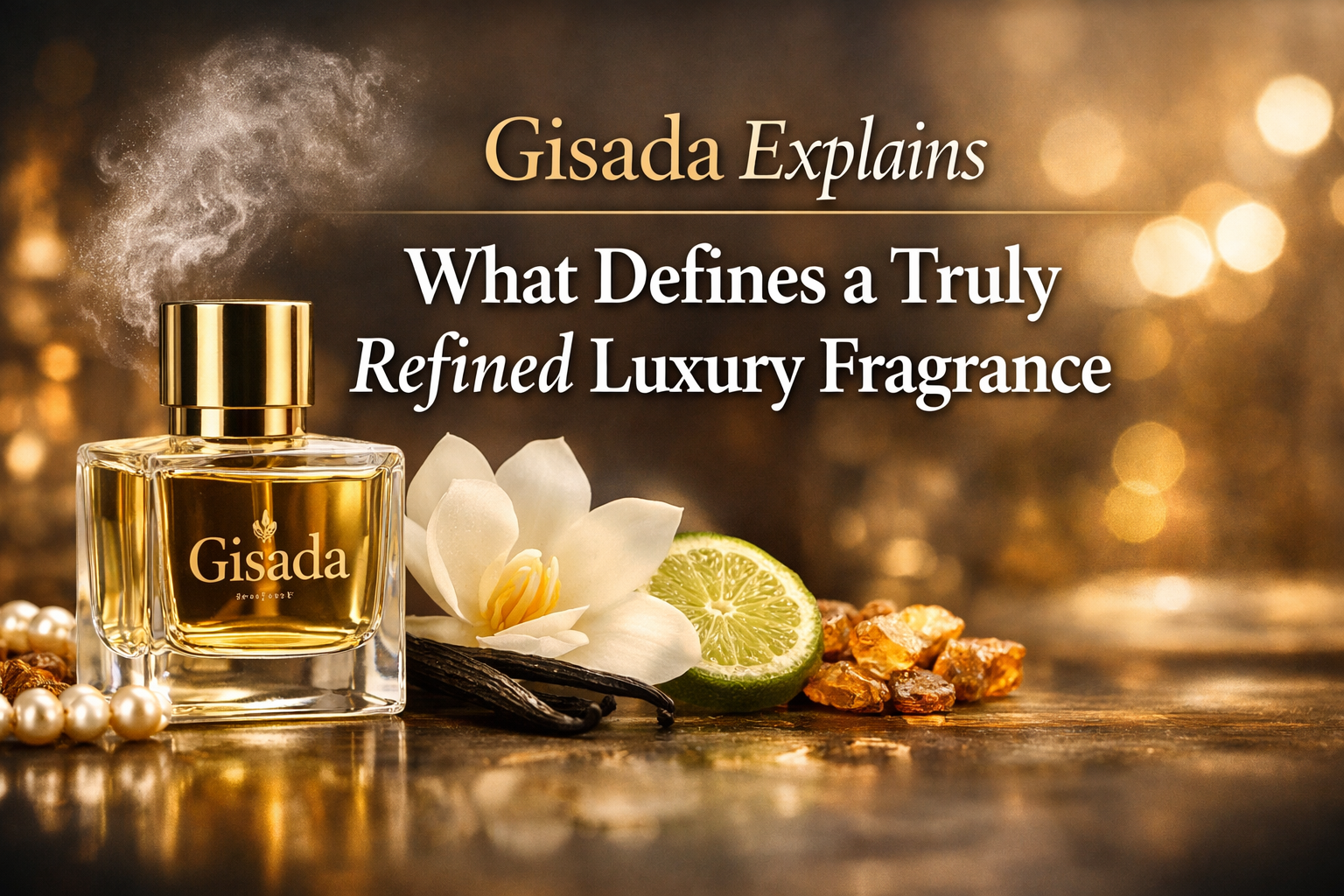
Gisada Switzerland is renowned for its sophisticated fragrances and Swiss craftsmanship. The company blends traditional fragrance customs with contemporary design. Gisada has gained a lot of popularity throughout the Middle East and Europe in recent years. The brand is admired by many perfume enthusiasts for its enduring fragrances and exquisite bottle designs. Gisada specializes in making fragrances that convey individuality, self-assurance, and refinement. There are many options available at Gisada, regardless of your preference for sweet, woody, spicy, or fresh scents.
The Invisible Signature We Wear
Our smell introduces us long before we say anything. It clings to clothes, lingers in places, and gradually affects how other people see us. Scent is undetectable, but it has the potential to be much more potent than hairstyles or fashion. As an emotional signature that sets us apart from others, the scents we select become an integral part of who we are. The limbic system of the brain, which controls memory and emotion, is closely linked to our sense of smell, according to scientific study. This link explains why we might be quickly reminded of a particular person or transported back to our childhood by a single scent. In this sense, smell transcends the realm of cosmetics and becomes a profoundly intimate indicator of our identity.
The Psychology Behind Scent and Self-Expression
Selecting a fragrance is frequently an act of self-definition. Warm, woodsy overtones that convey solidity and strength appeal to some folks. Others want scents that convey vitality and optimism, such as light citrus or floral notes. These decisions reflect moods, aspirations, and personality attributes. According to psychologists, smell functions as a kind of nonverbal communication. Similar to how attire can express professionalism or originality, scent can subtly convey feelings of fun, confidence, or sexuality. Smell has a strong, unconscious impact on first impressions because it elicits emotional reactions more quickly than sight or hearing. It's interesting to note that people frequently choose scents that reflect their self-perception or desired perception. Wearing a powerful scent can help a shy person feel more confident.
Cultural Influences on Fragrance Identity
Scent preferences are not formed in isolation. Culture, geography, and tradition strongly influence how we perceive and use fragrance. In the Middle East, rich oud and amber notes are deeply rooted in heritage and hospitality rituals. In Mediterranean countries, fresh citrus scents reflect the climate and lifestyle. In East Asia, subtle, delicate fragrances are often preferred to maintain harmony in shared spaces. These regional differences show how scent is intertwined with cultural identity. Wearing a particular fragrance can express pride in one’s heritage or connection to a global community. It can also signal social belonging—certain perfumes become associated with specific eras, movements, or subcultures.
Memory, Milestones, and Emotional Anchors
One of the most profound ways scent impacts identity is through memory. Fragrance has the power to define life chapters and preserve emotional moments.
A childhood home may be remembered through the scent of baked goods.
A specific perfume might symbolize a first love or major achievement.
Many people adopt a “signature scent” during important life transitions.
These scents become tied to personal growth and transformation.
When others begin to associate a fragrance with a person, it becomes a sensory shorthand. The smell of jasmine might instantly recall a close friend. Sandalwood could evoke a respected mentor. Even in absence, scent keeps presence alive.
Crafting Your Olfactory Identity
In a world saturated with visual stimuli,one of the luxury scents Gisada offers a quieter, more intimate way to define oneself. Developing an olfactory identity does not necessarily mean committing to a single perfume. It may involve curating fragrances for different moods or seasons—fresh in summer, warm in winter, bold for evenings, subtle for work. The key lies in intentionality. Rather than following trends, choosing scents that resonate emotionally can help build a consistent and authentic sensory presence. Ultimately, scent is more than fragrance—it is memory, emotion, culture, and chemistry woven together. It is the invisible thread that connects how we see ourselves with how the world experiences us. In that invisible space, personal identity quietly blooms.






Write a comment ...